
What to Expect from an Investigation Engagement
Timelines, deliverables and explicit boundaries are disclosed up front, so every case starts with scope, limits and milestones clearly defined.

Day 0
The scope outline is confirmed and the case is opened.

Early weeks
Evidence collection and technical analysis begin across the agreed domains.

Mid case
Corroboration testing and evidence grading are carried out.

Close
The final evidence report is issued with documented gaps and exhibits.
Digital Asset Claims What to Expect
Every engagement follows a written timeline with defined deliverables. The list on the right is what we routinely commit to in writing.





What we do — and what we will never do.
Boundaries embedded in every engagement letter.
- Reconstructing transaction histories across public blockchain records
- Analysing wallet funding origins, counterparties and interaction patterns
- Structured open-source intelligence research across lawful public sources
- Analysis of lawfully obtained infrastructure and network indicators
- Graph-based mapping of relationships between wallets, contracts and identifiers
- Unauthorised access to systems, accounts, devices, wallets or networks
- Interception of private communications
- Holding, transferring, freezing or moving client digital assets
- Legal, financial, investment or tax advice
- Guarantees that assets will be identified, restored or returned
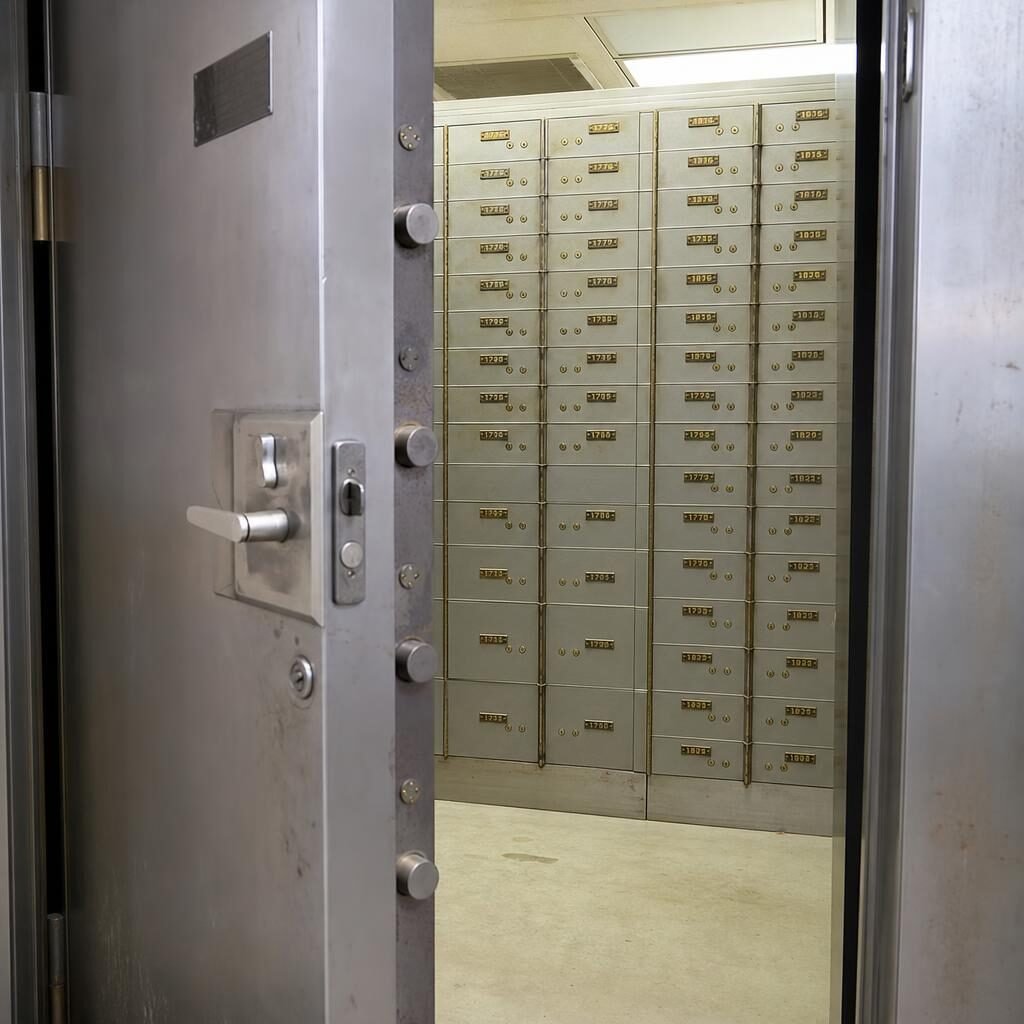

The boundaries committed to before any work begins
Digital Asset Claims writes each limit into the case scope. The remit stays investigative and evidentiary, never advisory, transactional or an enforcement guarantee.
No advice
Financial, tax, legal and investment guidance is never part of the work.
No custody
Client digital assets are never held or moved.
No guarantees
No case promises that an asset will be identified or returned.
No unlawful access
Systems, accounts, devices or wallets are never accessed without authorisation.
What every client receives in writing on day zero
Every case begins with written commitments: a scope outline, a delivery plan, a data-handling note and the published ethical charter.
Scope outline
A written outline sets out likely deliverables and timeline.
Delivery plan
A plan names owners and expected milestones.
Data note
Handling and retention terms are set out in writing.
Charter
The ethical charter is included with the case scope.
What arrives at the end of the case
The case closes with one structured deliverable: findings, exhibits and evidence grading, all traceable to source records and signed off through review.
Findings narrative
A written narrative sets out what the evidence establishes.
Exhibit index
A numbered index lists every exhibit referenced in the report.
Evidence grading
Each finding carries an explicit grade of confidence.
Documented gaps
Unanswered questions are recorded rather than glossed over.
What is never added quietly to a case
Scope creep is refused on principle. Timelines are not silently extended and the work does not drift into advisory or enforcement territory.
No scope creep
The remit changes only through a written scope update.
No advice drift
The work does not slide into legal or financial advice.
No overstated findings
Grading is never inflated beyond what corroboration supports.
No silent retention
Materials are handled under the agreed retention schedule.