
About Our Digital Investigation and Evidence Practice
Digital Asset Claims identifies, reconstructs and documents the movement and history of digital assets using blockchain analytics, OSINT and network intelligence, working strictly within lawful methods.

Company
Digital Claims Media Limited, incorporated 5 February 2025 in England & Wales.

Registered office
27 Old Gloucester Street, London, United Kingdom, WC1N 3AX.

Discipline
The work is investigative and evidentiary, never advisory or transactional.

Lawful methods
Research uses public records, client-supplied material and authorised sources only.
Digital Asset Claims Digital Investigation and Evidence Intelligence
Digital Asset Claims is a research, digital investigation and evidence intelligence company that identifies, reconstructs and documents the movement, history and evidential trail of digital assets.
All research is conducted using public records, client-supplied material and information obtained through lawful and authorised means. Digital Asset Claims does not access systems, accounts or devices without authorisation.


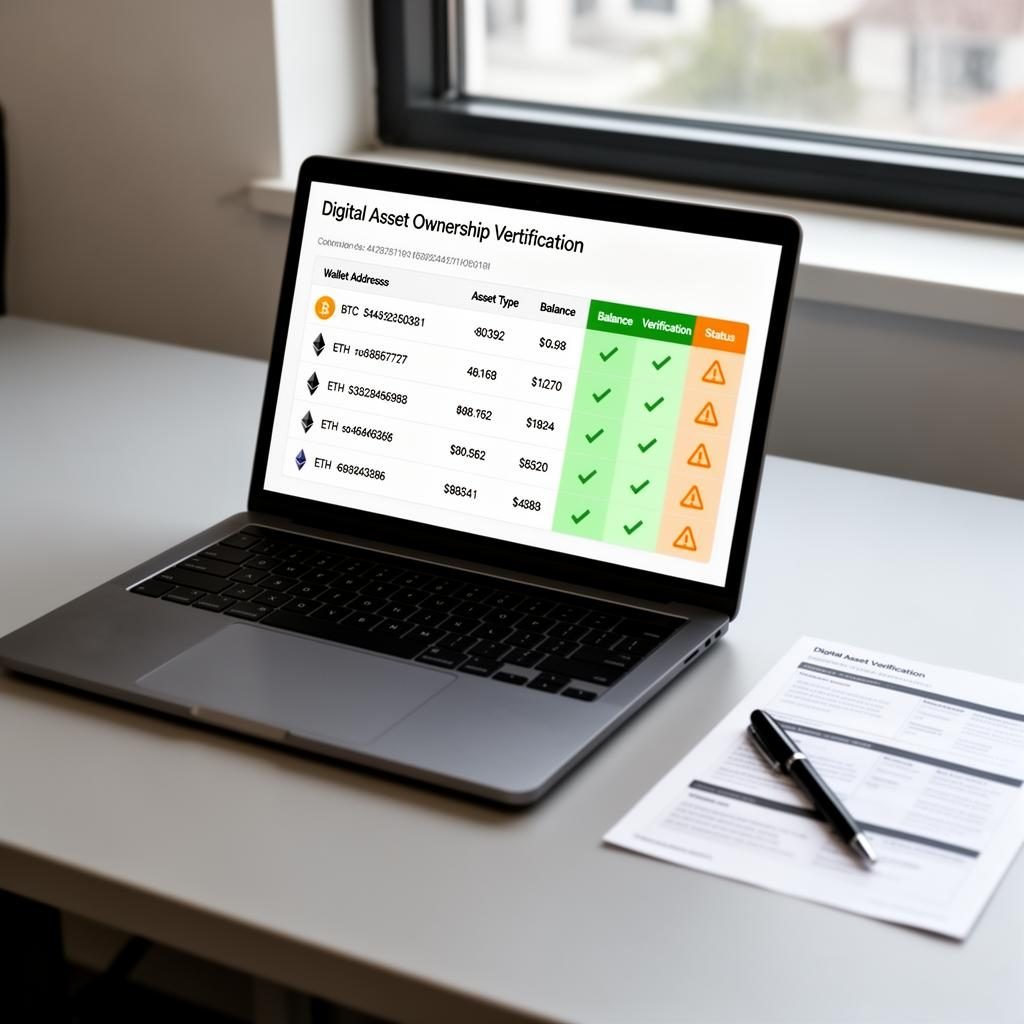

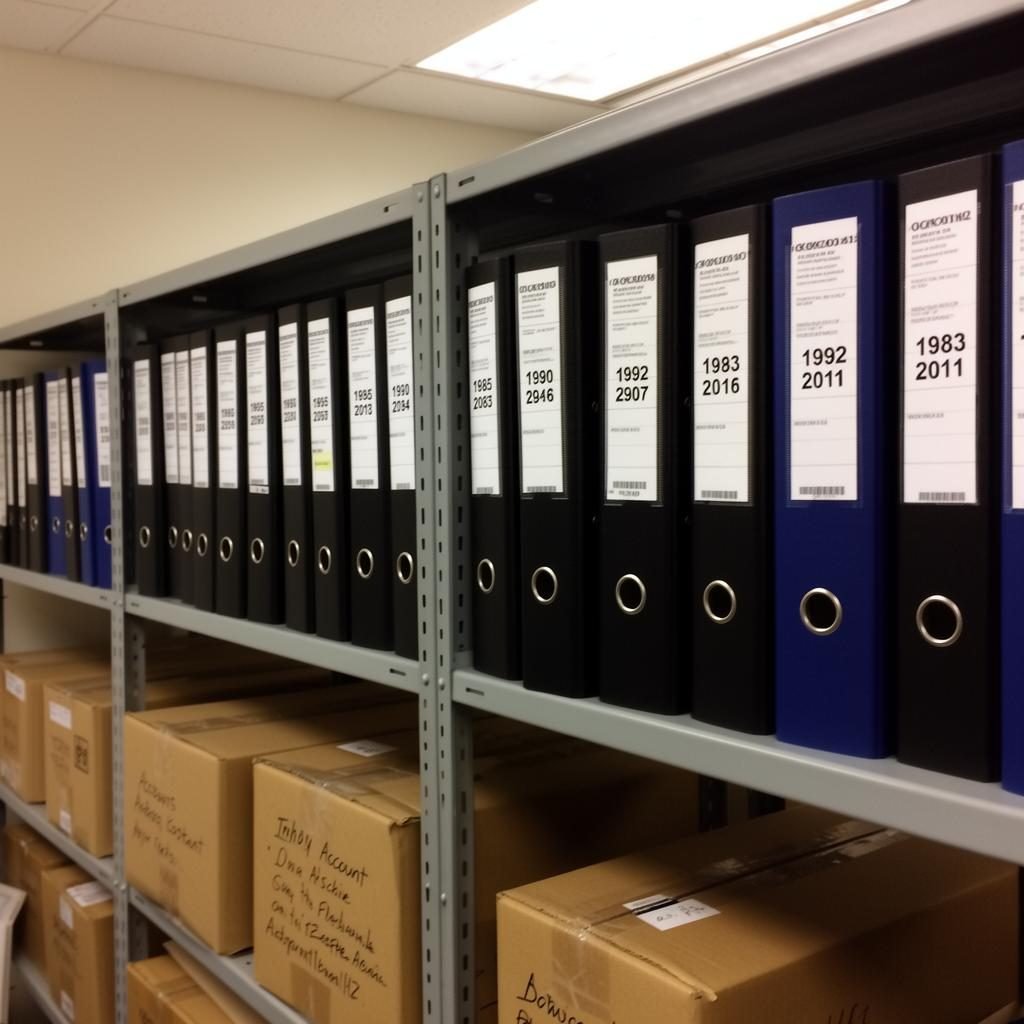
Digital assets leave a trail. That trail is rarely intact.
Digital Asset Claims is a research, digital investigation and evidence intelligence company. The subject of every engagement is the same: the movement, history and evidential trail of a digital asset, and the question of what the available record can and cannot support. We are not a law firm, a claims handler or an asset manager, and we do not hold, transfer or move any digital asset belonging to a client. What we produce is a structured evidence report, built from sources that a second reviewer can independently check.
A typical instruction involves a wallet, an exchange account, a set of transactions or a counterparty whose identity or intentions are in question. Clients bring us fragments — a transaction hash, a wallet address, a screenshot of a conversation, a set of dates — and ask what those fragments actually establish. Our job is to place each fragment in its proper evidential context: to say clearly where the record is strong, where it is thin, and where it says nothing at all.
Why digital evidence becomes fragmented
A digital asset transaction does not sit in one place. A single transfer can touch a blockchain ledger, a centralised exchange's internal database, a bridge or swap protocol, a hosting provider's server logs and a messaging platform used to arrange the transfer — each governed by different retention rules, different access conditions and different levels of public visibility. Public blockchains record transactions permanently, but they do not record who controls a wallet. Exchanges hold identity information, but that information is private and access to it is not something an investigation firm can obtain by asking. Infrastructure logs — IP addresses, hosting records, session data — are often retained for only a limited period before they are deleted in the ordinary course of business.
The result is that no single source tells the whole story. A blockchain explorer shows a transaction happened; it does not show who initiated it. An exchange statement shows a deposit was received; it does not show why. A piece of open-source material shows a claim was made publicly; it does not show whether the claim is true. Digital asset investigation exists to take these separate, incomplete records and assemble them into a coherent, sourced account of what actually happened — without inventing the parts that no record supports.
How blockchain records can be reconstructed
Public blockchains are, by design, permanent and inspectable. Every transaction that has ever occurred on a given network remains on the ledger, timestamped and linked to the addresses involved. Blockchain reconstruction is the work of pulling that raw ledger data — often spanning thousands of individual transactions across one or more networks — into a structured timeline: which address sent funds to which address, when, in what amount, and through which intermediate hops. Where funds move between chains through a bridge, or are converted through a decentralised exchange, that path is traced hop by hop rather than assumed.
This reconstruction is a factual exercise before it is an interpretive one. The ledger itself is not in dispute — anyone can query it. What requires care is the next step: clustering addresses that plausibly belong to the same holder, identifying interactions with known exchange or service deposit addresses, and building a readable map of wallet relationships out of what would otherwise be an unmanageable volume of raw transaction data.
How AI-assisted analysis supports the research
A case can involve tens of thousands of transactions, hundreds of associated addresses, and a corresponding volume of open-source and infrastructure material. We use AI-assisted analysis to manage that volume: to surface transaction patterns, cluster related addresses, flag anomalies for analyst attention, and cross-reference large datasets far faster than manual review alone would allow. This does not replace human judgement. Every pattern the tooling surfaces is reviewed by an analyst before it is treated as a finding, and nothing produced by an automated process is reported as fact without that review.
How OSINT contributes to an investigation
Open-source intelligence research draws on information that is lawfully and publicly available: corporate filings, domain registration history, social media activity, forum posts, public statements, news coverage and archived web pages. This work often supplies the connective material that a blockchain record alone cannot: a public statement linking a person to a project, a domain registration linking an entity to an address, a pattern of public activity that corroborates or contradicts a claim under investigation. OSINT findings are sourced and timestamped in the same way as any other evidence, and a single unverified post is never treated as sufficient on its own.
How network and infrastructure intelligence contributes
Where lawfully obtained, infrastructure and network indicators — hosting records, domain ownership history, IP-address associations and server metadata — can help establish whether separate online activity shares a common operator, or whether a platform used in a case is linked to other known infrastructure. This category of evidence is treated with particular caution: an IP address indicates a network connection at a point in time, not a person, and shared infrastructure can reflect nothing more than the use of the same hosting provider or the same public network.
How evidence is verified
No individual finding is reported on the strength of a single source. Each material finding is tested against at least one independent source for provenance, chronology and internal consistency before it is graded. Provenance means we can state where a piece of evidence came from and when it was collected. Chronology means the sequence of events is checked against timestamps rather than assumed from narrative order. Consistency means a finding is checked against adjacent evidence to see whether it holds up or whether it contradicts something else in the file. Where sources disagree, that disagreement is recorded as a documented conflict, not resolved by choosing the version that fits the expected outcome.
Why correlation is not automatically proof
Two facts appearing near each other in time, or two addresses interacting on-chain, is a correlation — not, by itself, proof of a relationship, an identity or an intention. A wallet that received funds from an exchange does not necessarily belong to the person whose name is on that exchange account. Two wallets that transacted once do not necessarily share a controller. An IP address appearing in two unrelated contexts does not necessarily mean the same person was behind both. We treat every correlation as a lead to be tested, not a conclusion to be reported. A finding is only escalated from observed correlation to a documented conclusion once independent corroboration supports it, and even then the report states the strength of that support explicitly rather than implying certainty that the evidence does not carry.
How findings are documented
Every engagement concludes with a structured evidence report, not a narrative summary. The report sets out the timeline of relevant transactions, the wallet and entity relationships identified, the specific source behind each finding, the method used to reach it, and a graded classification of how strongly the evidence supports it. It also records, in writing, what the investigation was unable to establish. A report that omits its own gaps is, in our view, an incomplete report — so unresolved questions are stated as plainly as confirmed ones.
Why evidential integrity is central
A report that overstates what the evidence shows is more dangerous than one that under-claims, because it can send a client, an adviser or a court down a path the underlying record does not actually support. Evidential integrity — sourcing every finding, disclosing every method, grading every conclusion and recording every gap — is the discipline that keeps our work usable by people who were not in the room when the analysis was done: lawyers, insurers, courts, regulators and clients themselves. That is the standard every case is held to, from the first record collected to the final report delivered.
The standards that shape every investigation.
Applied at intake, during analysis and at the point a report is released.
Evidence
Every claim in a report traces to a specific, cited source.
Method
The same investigative sequence applies to every engagement.
Boundaries
We do not access systems without authorisation, and we say so.
Candour
Gaps in the evidence are written down, not smoothed over.
Independence
Findings are not shaped by a preferred outcome.
Clarity
Technical findings are explained in language a reader can test.
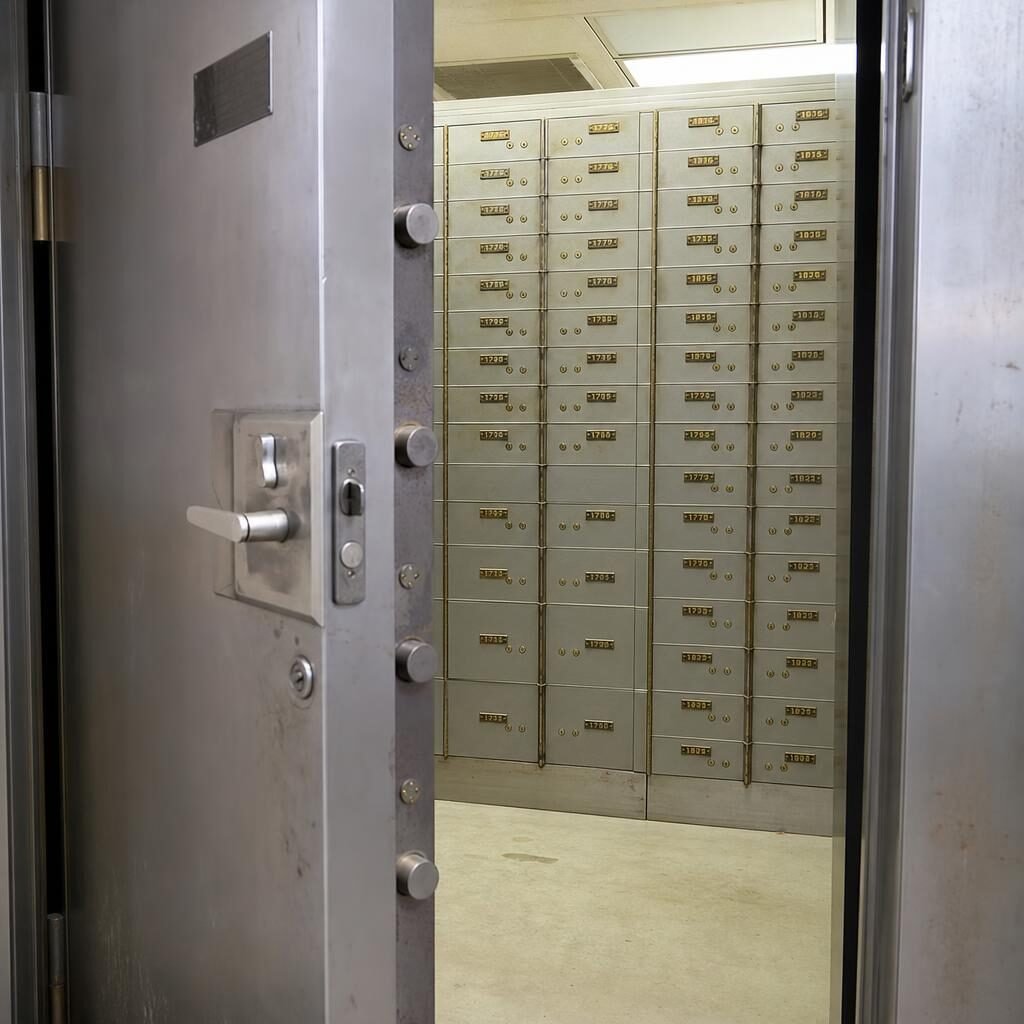

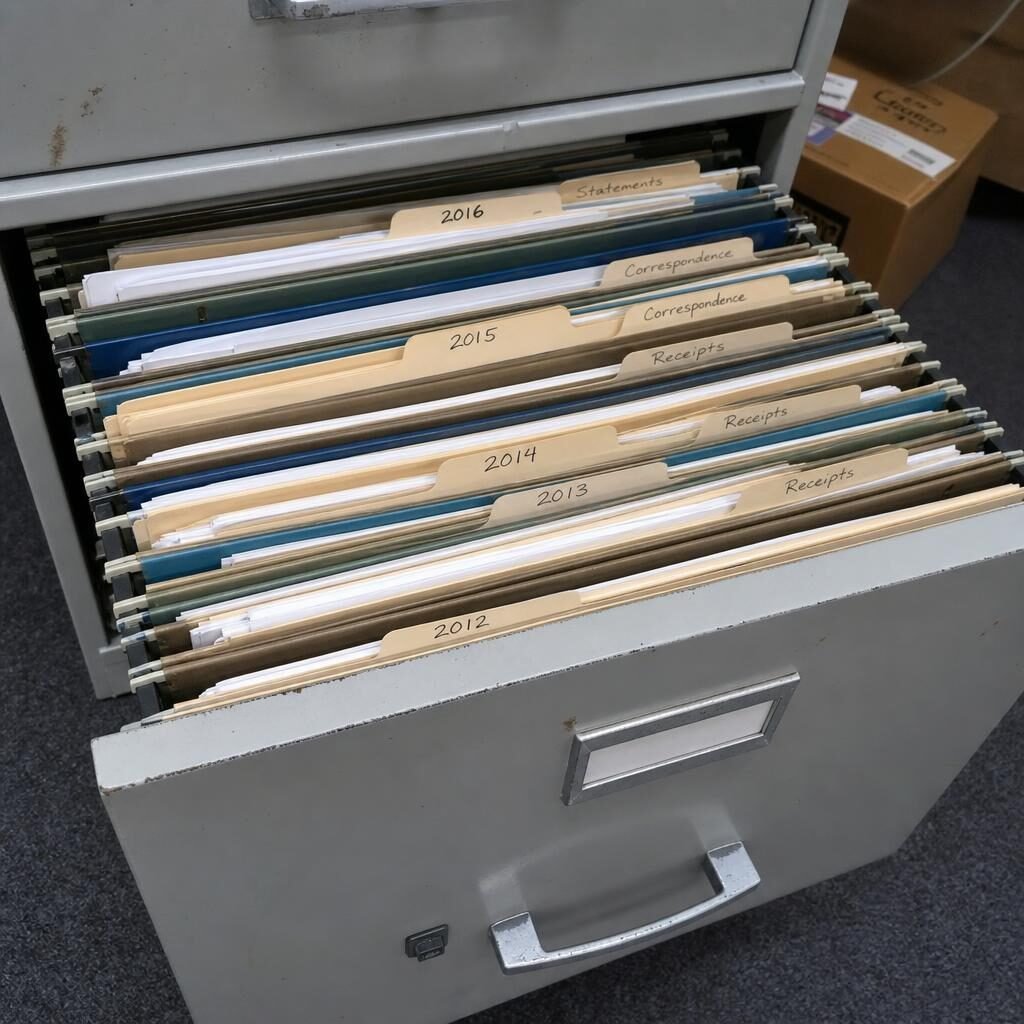

Evidence before assumption.
Evidence before assumption. A wallet address alone does not establish identity, an IP address alone does not establish ownership, and a blockchain transaction alone does not necessarily establish beneficial control of an asset.
What is currently verifiable about the firm.
Details marked as pending verification will be completed and published once confirmed. Nothing on this page is invented in the meantime.
- Legal name
- Digital Claims Media Limited
- Trading as
- Digital Asset Claims
- Incorporated
- 5 February 2025
- Nature of business
- 62020 — Information technology consultancy activities
- Jurisdiction
- England & Wales
- Registered office
- 27 Old Gloucester Street, London, United Kingdom, WC1N 3AX
- Operating model
- Investigation and reporting only · no custody of assets
What the practice will and will not do on a case
The Digital Asset Claims remit is investigative and evidentiary. Findings are documented and graded, while legal advice, enforcement action and guarantees of outcome stay outside scope.
We investigate
Digital, financial and network evidence is examined using lawful methods.
We document
Every finding is written into a structured, sourced evidence report.
No advice
Legal, financial and investment recommendations are outside remit.
No custody
Client digital assets are never held, transferred or moved.
How the practice approaches digital evidence
Digital Asset Claims focuses on one discipline: reconstructing digital asset trails using lawful technical methods and writing up what the evidence does and does not establish.
Single discipline
Investigation and evidentiary reporting is the sole focus of the practice.
Lawful methods
Public records, client-supplied material and authorised sources only.
Corroboration
No finding is reported without being tested against a second source.
Public principle
Evidence before assumption is applied on every case without exception.
The structural independence behind the operating model
Independence here is structural. There are no platform, exchange or institutional affiliations, and no referral economics shaping the work.
No affiliations
No platform, exchange or institutional relationships influence a case.
No commissions
Referral payments and introducer fees are refused.
No data resale
Client material is never monetised in aggregate form.
No upsell
The work does not cross-sell into custody or transactional services.
How the practice communicates with clients and the public
One version of the practice is presented to clients and the public. The charter, terms and methodology are all available in plain language on the site.
Plain English
Policies are published in clear language rather than layered marketing copy.
Public charter
The ethical charter remains available on the public website.
Single disclosure
The same disclosure track is used for clients and the public.
No overclaiming
No regulatory, legal or certification status is claimed without verification.