
How a Case Runs from Intake to Evidence Report
A plain-language walkthrough of the case journey, from secure intake and evidence collection to final handover of the structured evidence report.

Intake
Material is received through secure channels with no system access or authority sought.

Analysis
Blockchain, network, OSINT and infrastructure evidence is examined and logged.

Corroboration
Findings are tested against a second source before being graded.
Report
The final pack includes findings, exhibits, source citations and documented gaps.
Digital Asset Claims How It Works
Every engagement moves through the same ten investigative stages, in the same order, from first contact to final report.




Ten Investigation Stages, Step By Step
01 · Case Intake
Scope, lawful basis and available identifiers are agreed in writing before any research begins. No account credentials are ever requested or collected.
Stage output
Written scope letter, agreed identifiers and a case reference.
Ten stages, end-to-end — every one documented.
From case intake to evidential reporting.
Case Intake
Scope, lawful basis and available identifiers are agreed in writing before any research begins. No account credentials are ever requested or collected.
Initial Evidence Review
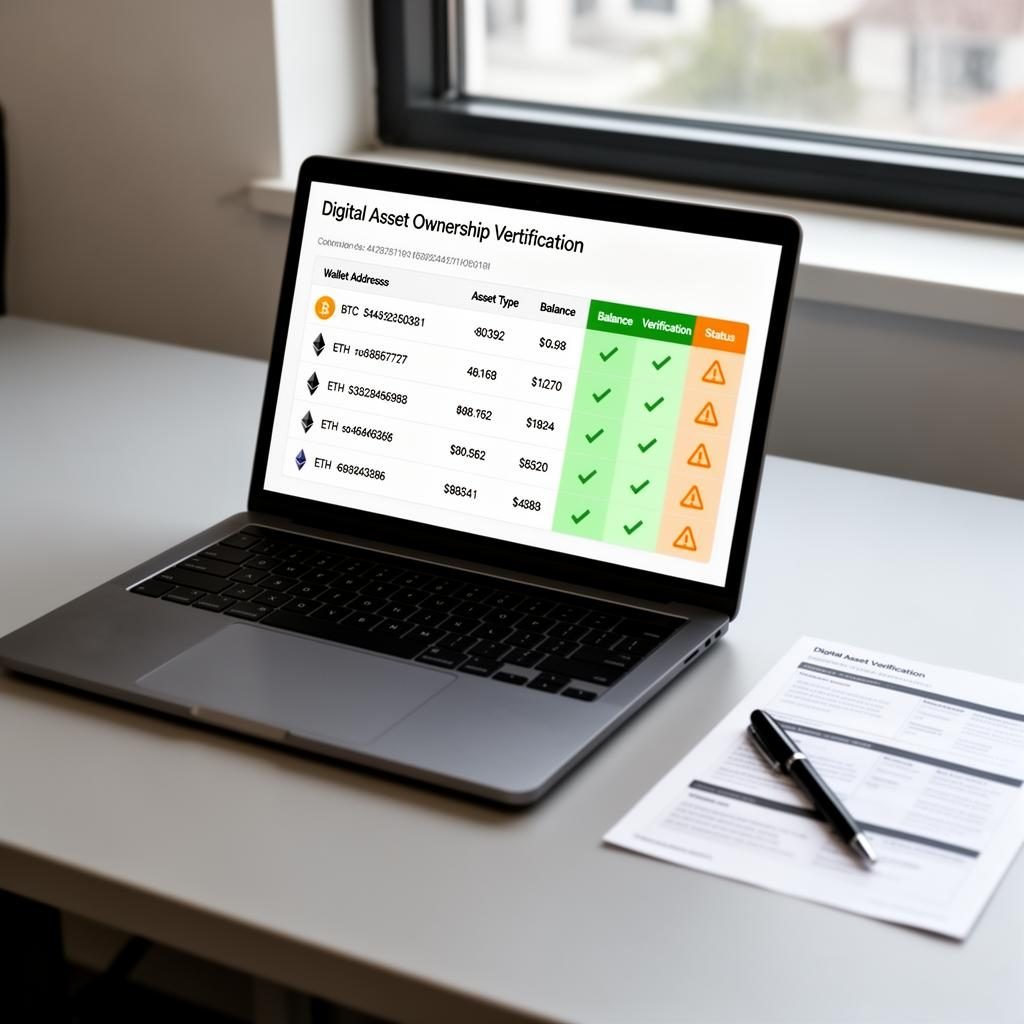
Client-supplied material — transaction hashes, wallet addresses, correspondence, screenshots — is logged and assessed for what it can plausibly support.
Data Normalisation
Raw records from different sources and formats are converted into a single structured dataset so blockchain, OSINT and infrastructure data can be analysed together.
Blockchain Reconstruction
Public ledger data is pulled into a timeline of transactions, tracing hops across wallets, bridges and swap protocols where funds moved between chains.
Wallet Relationship Analysis
Addresses are clustered and mapped against counterparties, exchange deposit addresses and known typologies to surface plausible ownership and control patterns.
OSINT Research
Lawfully available public records, filings, domain history and public activity are researched to corroborate or contradict findings from the on-chain analysis.
Infrastructure Intelligence
Lawfully obtained network and hosting indicators are reviewed to assess whether separate online activity shares common infrastructure.
AI-Assisted Correlation
Automated analysis surfaces patterns and cross-references across large datasets; every output is reviewed by an analyst before it is treated as a candidate finding.
Evidence Verification
Each candidate finding is tested against an independent source for provenance, chronology and consistency, and graded according to how strongly it is supported.
Evidential Reporting
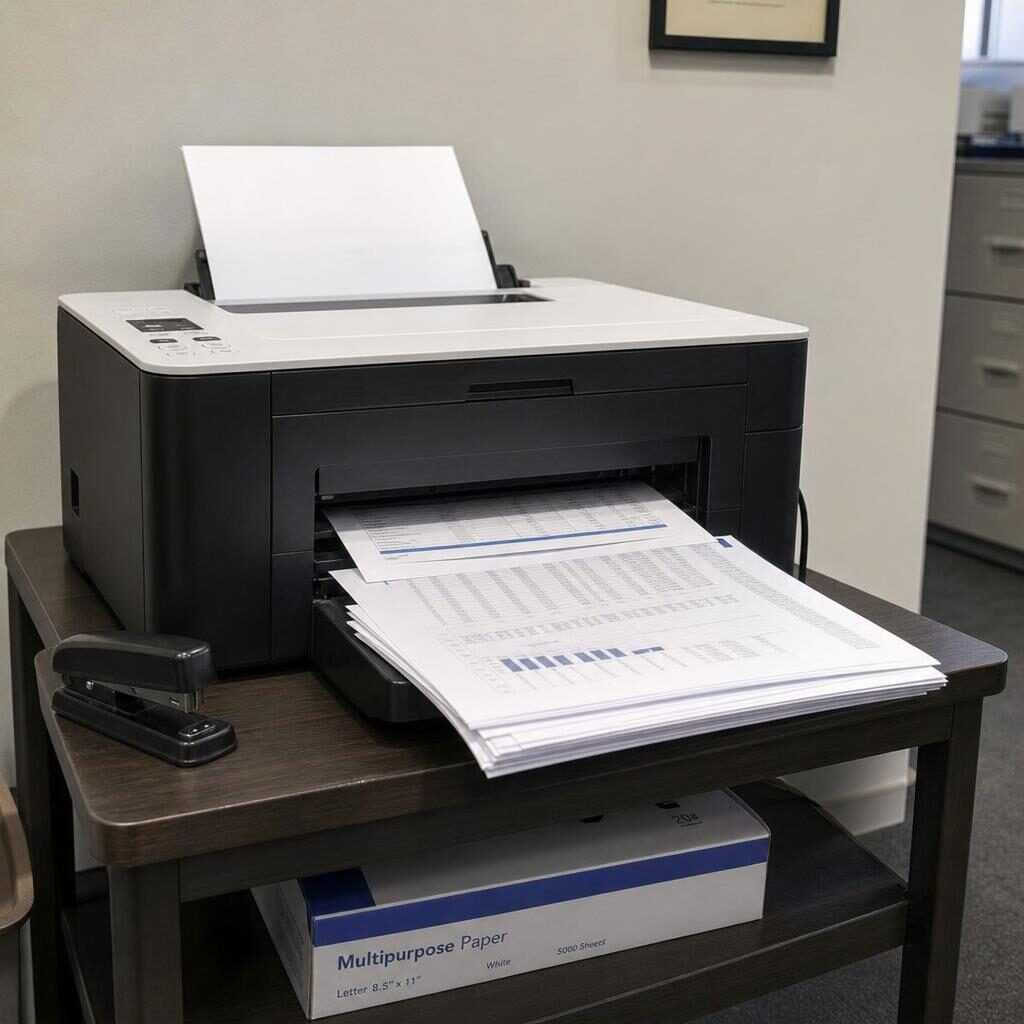
A structured report is compiled: timelines, sourced findings, methodology, evidence grades and a written record of what remains unresolved.

What you receive at the end of a case
Each case closes with one structured evidence report containing timelines, wallet relationships, source references and a written record of unresolved gaps.
Findings narrative
A written narrative sets out what the evidence shows and does not show.
Exhibit index
A numbered index lists every exhibit referenced in the report.
Evidence grading
Each finding is graded from verified to insufficient evidence.
Documented gaps
Unanswered questions are recorded rather than glossed over.
How a case unfolds from open to close
A general shape is published so clients can see what comes next, what is needed from them and roughly when the evidence report is expected to land.
Open
Scope sign-off and a secure channel are issued.
Collection
Evidence collection and technical analysis begin across agreed domains.
Corroboration
Findings are tested, graded and drafted into the report.
Close
The report is released with documented gaps and exhibits.
How client material is handled during a case
Client material is treated as the most sensitive part of a case, held under role-based access with encryption in transit and at rest.
Restricted access
Case material is available only to analysts assigned to that case.
Encrypted
Material is protected in transit and at rest.
No reuse
Client material is never reused for system training.
Confidential
Case material is not shared beyond the agreed scope.
How a case is formally closed
Each case closes with a written evidence report and a handover note, without pressure into further engagements or open-ended billing.
Handover
A written handover summarises the report and exhibit index.
No recurring fees
Clients are not enrolled into automatic billing cycles.
Optional follow-up
Further work is only offered where the client requests it.
Retention
Case material is retained under a published retention schedule.