
Digital Asset Claims Authenticity, Corroboration & Evidence
Authenticity, Corroboration & Evidence Verification checks findings against independent sources, chronology, metadata, provenance, blockchain records and cross-source comparison, so that every finding reported by Digital Asset Claims carries a stated, evidence-based confidence classification.
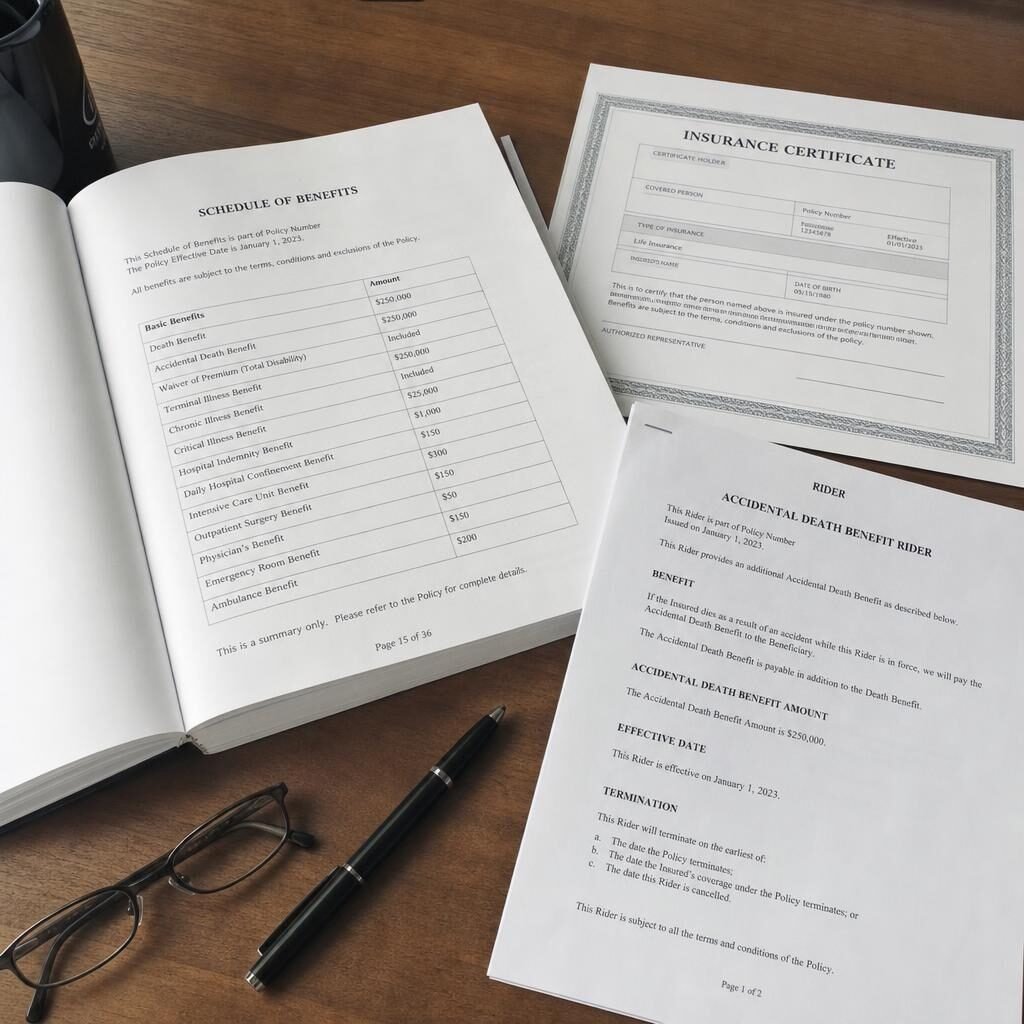
Why Supplied Material Has To Be Tested First
Screenshots, statements, dashboards, certificates and transaction confirmations are easy to produce and easy to alter. Material that has not been tested can quietly carry an entire case in the wrong direction.
Verification is therefore performed before material is relied upon, not after a conclusion has been drafted around it. The test is not whether a document looks convincing, but whether an independent record confirms it.
Scope Of Verification Work
This service applies Evidence Corroboration as a discipline in its own right, either as a standalone check on material a client already holds, or as a closing verification pass over findings produced during other Digital Asset Claims engagements.
It covers testing of document and image authenticity (metadata consistency, file history, format anomalies), testing of chronological plausibility (does the sequence of dates and events in the material hold together), testing of technical provenance (does a claimed blockchain transaction, screenshot or export match the underlying public record it purports to represent), and cross-source comparison of any given claim against independently obtained material.
Metadata and Provenance Checks
Files, images and exports supplied are examined for internal metadata (creation and modification timestamps, source application, embedded identifiers) and that metadata is compared against the claimed origin and date of the material, with any inconsistency documented explicitly.
Cross-Source Corroboration
Each factual claim under review is checked against at least one independent source where such a source exists — a public blockchain record, an independent archive, a separate document — before it is upgraded from unverified to a stronger confidence classification.
Material Submitted For Testing
The material to be verified (documents, screenshots, exports, prior findings) and, where available, the claimed source or origin of each item.
How Each Claim Is Tested
Each item is examined individually for internal consistency, then checked against any independent source that can confirm or contradict it, and finally assigned a confidence classification from the standard scale used across all Digital Asset Claims reporting. Where sources conflict, the conflict is documented rather than silently resolved.
What A Verification Engagement Produces
A verification report listing every item checked, the method used to check it, and its resulting confidence classification, together with any conflicts or inconsistencies identified along the way.
What Verification Cannot Conclude
Verification can confirm consistency or flag inconsistency; it cannot manufacture corroboration where no independent source exists. Where a claim genuinely cannot be checked against anything else, it remains classified as unverified or insufficient evidence rather than being treated as confirmed by default.
Technology Applied To Verification
On-chain cross-checking
Any claimed transaction is checked against the ledger itself rather than the document asserting it.
Document metadata examination
Available file metadata is examined for creation, modification and generation indicators.
Rendering and layout analysis
Layout, fonts and interface elements are compared against known genuine outputs of the same platform.
Chronology testing
Stated dates are tested against independent records for internal and external consistency.
Data Examined In Verification
- Client-supplied screenshots, statements and confirmations
- File metadata where present and unmodified
- Corresponding on-chain records for any claimed transaction
- Platform interface characteristics at the claimed date
- Archived versions of any cited page or portal
- Internal consistency between dates, amounts and references
- Independent third-party records covering the same event
How Verification Runs
- Step 01
Log the material
Each item is logged with its source, format and the date it was supplied.
- Step 02
Extract testable claims
The specific factual assertions in each item are written out as separate claims.
- Step 03
Locate independent records
For each claim, an independent record is sought that would confirm or contradict it.
- Step 04
Examine the artefact itself
Metadata, rendering and structure are examined for signs of alteration or synthesis.
- Step 05
Test chronology
Dates are checked against each other and against external records.
- Step 06
Grade each claim
Claims are graded individually; one verified element does not validate a whole document.
- Step 07
Report contradictions
Contradictions are reported in full, including where they weaken the client's position.
Deliverables
Verification Report
Every item checked, the method applied, and its resulting confidence classification.
Metadata Consistency Log
File and document metadata compared against claimed origin and date.
Conflict Register
Explicit record of any point at which independent sources disagree.
Confidence-Graded Findings List
Final classification of each finding against the standard evidence-confidence scale.
Evidence Confidence Classification
Every finding is graded so that what is established, what is indicative and what remains unresolved are never presented as the same thing.
- Verified
- Independently confirmed by two or more unrelated sources.
- Strongly Supported
- Consistent with multiple sources, with no material contradiction observed.
- Partially Supported
- Consistent with at least one source, but corroboration is incomplete.
- Unverified
- Recorded as observed, but no independent corroborating source has been located.
- Conflicting
- Sources disagree, and the conflict is documented rather than resolved by assumption.
- Insufficient Evidence
- Available material does not support a finding in either direction.
Limitations of This Service
Findings are bounded by the material that is lawfully available at the time of the engagement. Digital Asset Claims does not access private accounts, credentials or systems, does not perform any unauthorised or intrusive technical activity, and does not guarantee that a given question can be answered. Where the evidence does not support a conclusion, the report says so rather than inferring one. Verification can only test material against sources that actually exist; where no independent source is available, a claim remains unverified rather than being upgraded by assumption.
Questions
What does it mean if a finding is classified as 'Conflicting'?
It means at least two sources disagree on the point, and the report records both positions rather than choosing one arbitrarily.
Can this service verify a document supplied by a third party?
Yes, where its content and metadata can be tested against independently available material. The limits of what can be checked are stated in the resulting report.
Is this the same as a forensic document examination in a legal sense?
It is a technical and source-based verification exercise. It is not a substitute for formal forensic document examination instructed through legal proceedings, and does not constitute legal advice.
Need supplied material tested before you rely on it?
Send the documents or screenshots in question. We will report what is corroborated, what is contradicted and what cannot be tested.