
AI Investigation Technology · 25 March 2026 · 8 min read
How AI Assists Blockchain Investigation
By Digital Asset Claims Research Desk·Investigation Team
- AI Assistance
- Blockchain Analysis
- Verification
Machine-assisted analysis has become a genuinely useful tool in blockchain investigation, primarily by making large transaction volumes tractable for human review. This article explains its actual role, distinct from the more sweeping claims sometimes made about it.
Machine assistance surfaces candidate patterns at scale. It does not, and should not, issue conclusions on its own authority.
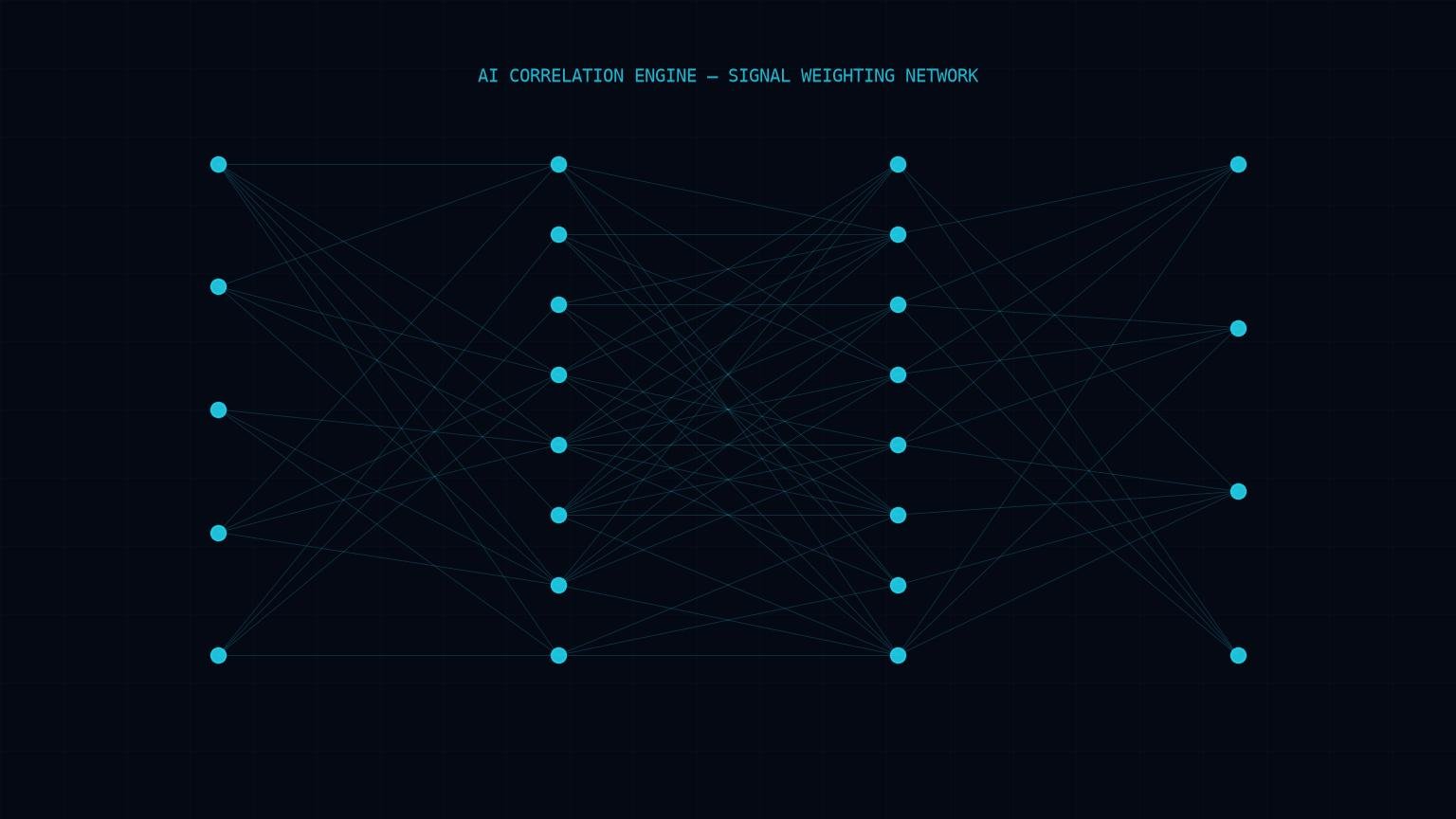
What Pattern Detection Actually Identifies
Pattern detection tools compare transaction structures, timing, and address relationships against statistical models trained on previously documented fraud patterns, surfacing matches for review.
The output is a ranked or scored set of candidate patterns, not a definitive classification, and the score reflects statistical similarity to known patterns rather than proof of wrongdoing.
Analysts treat higher scores as a prioritisation signal for where to focus limited investigative time, not as a substitute for examining the underlying transactions directly.
The Human Verification Step
Every flagged pattern is reviewed against the raw blockchain data by an analyst, who checks the transaction history, counterparties, and timing independently of the automated summary.
This step is designed specifically to catch false positives, where legitimate activity superficially resembles a pattern associated with fraud but has an innocent explanation on closer inspection.
Only patterns that survive this manual review are incorporated into the case file as documented findings, with the automated tool's role in surfacing them noted transparently.
Known Failure Modes of Automated Analysis
Automated systems can produce false positives when legitimate high-frequency activity, such as an exchange processing customer deposits, resembles a structuring pattern associated with fraud.
They can also produce false negatives, missing genuinely fraudulent patterns that fall outside the specific behaviours the model was trained to recognise, which is why manual review of adjacent activity remains necessary.
Model outputs can also reflect biases present in the training data, which is why results are treated as a starting point for investigation rather than an authoritative conclusion.
Transparent Disclosure in the Final Report
A properly documented report states clearly which parts of the analysis involved automated pattern detection and how those outputs were subsequently verified by an analyst.
This disclosure allows a reader to understand exactly how much of the conclusion rests on verified fact versus algorithmic suggestion that was later confirmed through independent review.
Reports avoid language that implies an automated tool independently reached a conclusion, since responsibility for the finding rests with the human analyst who verified it.
Frequently asked questions
Does machine-assisted analysis replace human investigators?
No. It accelerates the identification of candidate patterns within large datasets, but every output requires human verification before it is treated as a finding.
How are false positives managed?
Every flagged pattern is checked against raw transaction data by an analyst, who considers alternative innocent explanations before deciding whether to include the finding in the case file.
Can automated tools identify who controls a wallet?
No. They identify statistical and structural patterns in transaction behaviour. Identifying a wallet's controller requires corroborating evidence from other sources, verified independently.
Is the use of automated tools disclosed in reports?
Yes. Reports state where automated pattern detection was used and how the resulting outputs were subsequently verified, so readers can assess the basis for each finding.
Machine assistance has a genuine and valuable role in blockchain investigation, primarily in making large-scale pattern detection tractable. Its value depends entirely on disciplined human verification of every output, and on transparent disclosure of where automated support was used within the final report.